
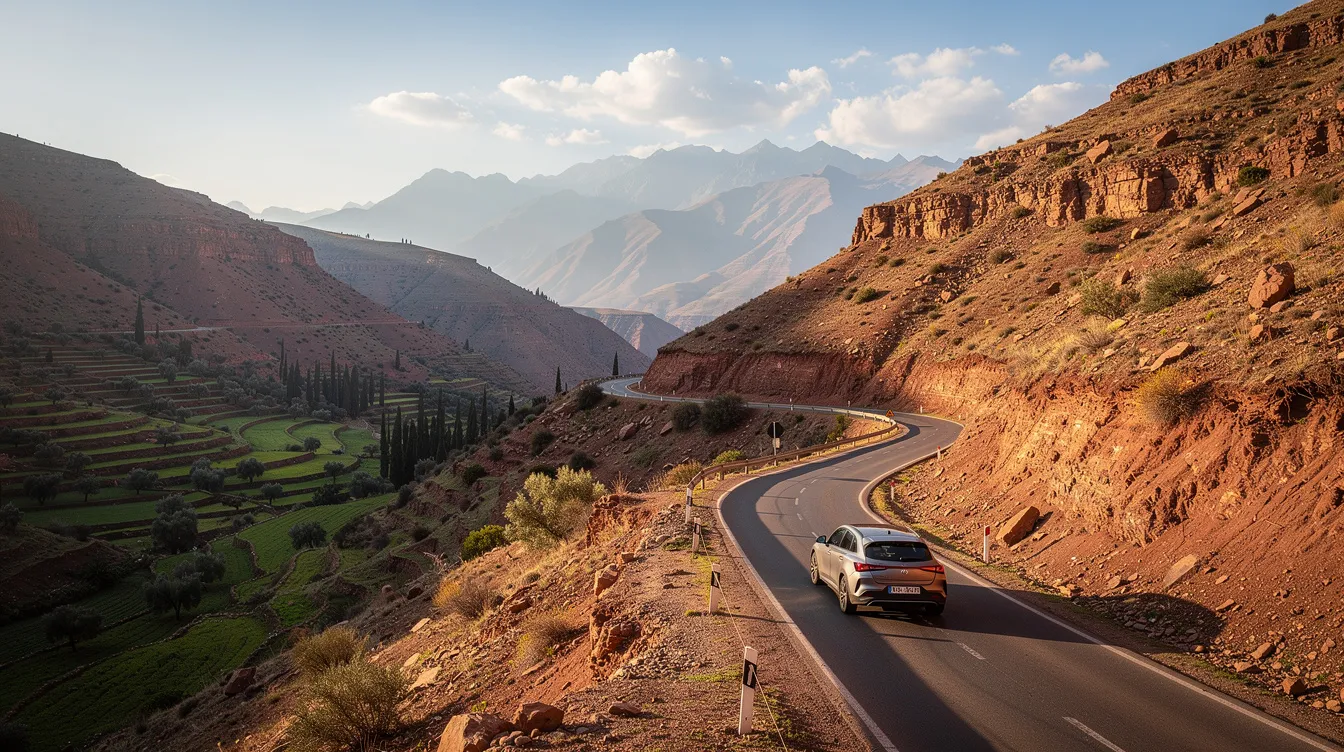
Renting a Car in Morocco: Complete Guide with rentalme.ma
Planning to rent a car in Morocco? This complete guide explains prices, required documents, insurance, driving conditions, road trip routes and how rentalme.ma helps travelers compare trusted local agencies across Morocco.
Renting a Car in Morocco: Complete Guide with rentalme.ma
Morocco is one of those countries where the best experiences hide between the big cities - in mountain valleys, along empty stretches of Atlantic coastline, and down dusty desert roads. Renting a car in Morocco is the single most effective way to unlock that freedom, and this guide covers everything you need to know: costs, insurance, documents, driving conditions, routes, and how to use rentalme.ma to find the right vehicle at the right price.
Quick overview: Is renting a car in Morocco worth it?
For most visitors, renting a car in Morocco is absolutely worth it if your plans extend beyond a single vibrant city. A rental car gives you control over timing, stops, and routes that taxis, buses, and trains simply cannot match - especially once you leave the major cities.
-
Rental car vs public transport: A train connects Casablanca, Rabat, Fes, Tangier, and Marrakech efficiently, and train stations in these cities are centrally located. But there's no train to Essaouira, Chefchaouen, Merzouga, or the Atlantic coast south of El Jadida. Buses reach more towns but run on fixed schedules and don't stop for photo opportunities at scenic routes along the way.
-
Average price: Daily rental rates in Morocco start around €16 for a basic economy car, with the average car rental costing about £38 per day depending on vehicle category, season, and pickup city. Fuel is noticeably cheaper than in most of Western Europe.
-
When it's not essential: If you're spending three days entirely in Casablanca, Rabat, or Tangier, taxis and ride apps are cheaper and less stressful than dealing with city driving and parking spots.
-
When it is essential: Road trips through the Atlas Mountains, loops through the Sahara Desert, visits to remote coastal towns on the Atlantic Ocean, or multi-city itineraries covering rural areas all demand your own car.
-
Getting started: rentalme.ma is a fast online way to compare trusted local rental companies across Morocco and book in English - more on that below.
Why book your Morocco car rental with rentalme.ma
rentalme.ma is a Moroccan platform built specifically for car rental in Morocco. It connects travelers with vetted local and international car rental services across the country, making it far simpler than contacting agencies one by one.
-
What it is: An online marketplace that aggregates offers from multiple local rental companies and larger operators - not a single car rental company with its own fleet. This means you see real competition and real prices.
-
Car rental options available: Economy and mini budget cars, SUVs and 4x4s, large car and minivan categories, automatic transmissions, long term rental deals, plus extras like child seats and GPS.
-
Advantages over booking directly: Transparent pricing with no hidden add-ons at checkout, user reviews, clear insurance and deposit terms shown before you pay, English-language support throughout, and the ability to compare multiple car rental deals in one search.
-
Unlimited mileage: Many offers on rentalme.ma include unlimited mileage. You can also filter by car size, transmission, fuel type, deposit amount, and insurance level.
-
Booking flow: Search by city or airport and dates → compare offers side by side → select and review full terms → receive instant confirmation by email. Payment is online or at the pick up location, depending on the partner rental company.
-
Morocco-specific depth: Because rentalme.ma focuses exclusively on Morocco, its coverage of morocco car rental locations - from major airports to city centers - is deeper and more current than global aggregator platforms.
When to book a rental car in Morocco
Prices and availability shift dramatically by season and local events, so timing matters.
-
High season runs through July–August, Easter holidays, Christmas–New Year, and major Islamic holidays like Eid al-Fitr and Eid al-Adha. Expect the highest rates and limited availability, particularly for automatic or larger vehicle categories.
-
Coastal cities such as Agadir, Tangier, and Essaouira peak in summer. Marrakech and desert routes around Merzouga and M'hamid see more visitors in spring (March–April) and autumn (October–November).
-
Booking in advance can secure better rental rates. Aim for 4–6 weeks ahead to get the best car hire deals and wider choice.
-
Last-minute bookings at major airports like Casablanca Mohammed V or Marrakech Menara tend to be significantly more expensive because of demand spikes from arriving tourists.
-
Use rentalme.ma early to lock in preferred vehicle type and unlimited mileage options before prices climb. Book your rental car in advance for better rates - it consistently pays off.
How much does it cost to rent a car in Morocco?
These are indicative 2025–2026 averages. Actual prices vary by city, season, and rental company.
-
Economy cars: Renting a small car costs approximately $18 per day (around €16–25 / £18–22 per day) in low season from larger cities.
-
1-week rental: Roughly €140–210 for economy, with the average price per day dropping about 15–25% compared to single-day rates.
-
2-week rental: Proportionally cheaper; expect further daily rate reductions, especially on rentalme.ma where you can sort by total cost.
-
1-month / long term rental: Often significantly discounted versus daily pricing - ideal for extended road trip plans or digital nomads.
-
SUVs: SUV rentals in Morocco average about $71 per day. Larger vehicles typically cost around $100 per day to rent.
-
Airport vs city: Picking up at major airports (Casablanca CMN, Marrakech RAK, Fes FEZ, Agadir AGA, Tangier Ibn Battouta Airport) can add €5–15 in surcharges compared to city offices.
-
What affects price: Vehicle category, transmission (manual vs automatic), rental length, pickup location, insurance level, extras (GPS, child seat, additional driver), and one-way fees.
-
On rentalme.ma, users can sort offers by price to quickly find the cheapest car rental company for their dates.
Prices by car type in Morocco
This section sets realistic expectations by breaking down average daily rates per vehicle category.
-
Mini and economy: From about €16–25/day. Ideal for city hopping, couples, and solo travelers. Easy to park near medinas and in tight urban areas. These are the go-to budget cars for budget conscious travelers.
-
Intermediate / compact car: Around €25–40/day. Better comfort for 2–4 people on longer drives such as a Marrakech–Fes–Chefchaouen loop. A compact car handles mountain passes well and uses less fuel than an SUV.
-
Large car and minivans: Approximately €45–70/day. Suited for families or groups traveling with luggage and child seats.
-
SUV and 4WD / 4x4: €50–80+/day. Preferable for rougher sections around Dades Gorges, Todra Gorge, or desert camps reachable only by off road tracks.
-
Luxury and premium: €100–200+/day. Available for business travel or special occasions, but not necessary for typical touring.
-
Hybrid and electric vehicles exist mainly around Casablanca and Rabat, though charging infrastructure remains limited outside large cities.
-
Use rentalme.ma filters by category to compare prices across several car rental companies instantly.
Insurance, deposits and excess: what you must know
Insurance and deposit terms are where travelers most often get surprised. Read this section carefully before you rent a car anywhere in Morocco.
-
Standard coverage: Collision Damage Waiver is standard with most rentals in Morocco, and third-party liability is legally required. However, basic insurance often includes a high excess - meaning you could still owe thousands of dirhams if the car is damaged.
-
Excess / deductible explained: The excess is the amount you pay out of pocket before insurance kicks in. Deductibles for rentals can start at 14,000 MAD (roughly €1,300) for small cars and climb to 30,000+ MAD for SUVs and premium models. Insurance coverage varies by rental company in Morocco, so always check before confirming.
-
Theft protection, glass, and tyres: Often not included in basic insurance. These are typically separate add-ons. Review each offer's details carefully on rentalme.ma.
-
Security deposit: Rental companies in Morocco typically block a substantial deposit, often between $1,000 to $2,000, on your valid credit card. A credit card is essential for the security deposit - debit cards or cash payments may be accepted in limited cases but with stricter conditions.
-
Transparency on rentalme.ma: The platform displays deposit amount and excess clearly for each offer, so you can choose low-deposit or enhanced-coverage options before booking.
-
Full coverage insurance is recommended when renting a car, especially for mountain or desert road trips where repair costs and towing fees could be very high.
Documents and requirements for renting a car in Morocco
Requirements are simple for most foreign visitors, but failing to meet them means no car at the counter.
-
Minimum age: The minimum driving age in Morocco is 18, but the minimum age to rent a car is 21 years old. Most rental companies require drivers to be at least 23 years old for certain vehicle categories (SUVs, premium). Young driver surcharges apply for those under 25.
-
Driving licence: A valid driver's license from your home country is usually sufficient. An international driving permit is advisable but not required - however, international driving permits are recommended if the driver's license does not feature a photo or is not in French or Arabic.
-
Experience: Drivers must have a valid license held for at least one year. Some companies require two years for premium categories.
-
Car rental documents at the counter: Passport, valid license, booking voucher from rentalme.ma, and a payment card in the driver's name.
-
Police checkpoints are common on Moroccan roads, so always carry your licence, passport copy, and rental agreement in the car while driving.
-
rentalme.ma displays age and licence requirements in each car's listing so you can avoid surprise refusals at pickup.
Where to rent: main Morocco car rental locations
Car rentals are widely available across Morocco's airports and downtown offices.
-
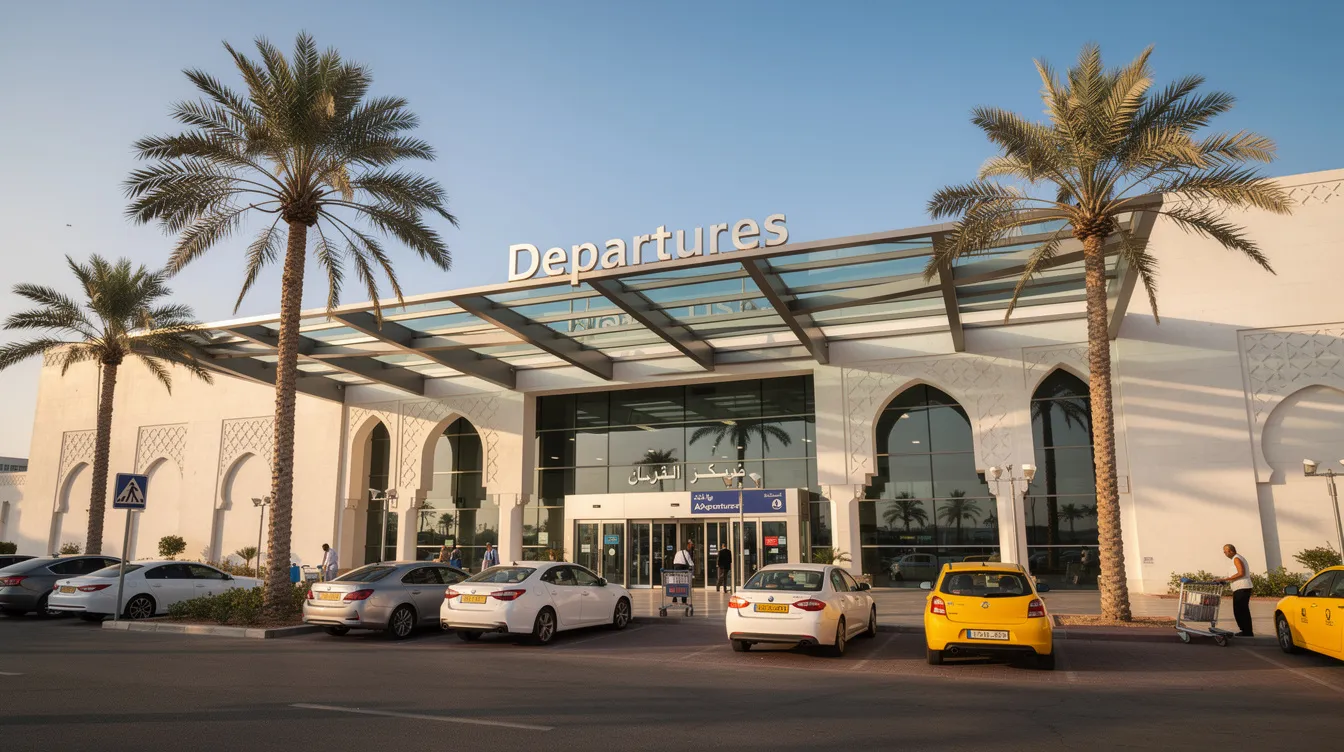
Airport hubs: Casablanca Mohammed V International Airport has car rental services from all major brands and local operators. Marrakech Menara Airport offers convenient car rental options with desks in the arrivals hall. Agadir–Al Massira Airport provides car rental services year-round. Tangier Ibn Battouta Airport has car rental options for travelers arriving from Europe. Car rentals are available in major cities like Fes and Rabat, with Fes–Saïss (FEZ) and Rabat-Salé (RBA) airports well served. Oujda and Nador airports also have rental desks.
-
City-center pickups: Marrakech (Gueliz district), Casablanca (Maarif, city center), Fes (near medina gates), Rabat, Tangier, and Agadir all have downtown offices, often at lower rates than airport counters.
-
rentalme.ma lists both airport and downtown car rental locations so you can compare prices between them for the same dates.
-
Suggested strategy: Pick up at the airport on arrival, return in the same city. Or arrange a one-way rental (e.g. Casablanca to Marrakech) when allowed by the rental company - check one-way fees before confirming. Cross border travel is generally not permitted with Moroccan rentals.
Do you really need a 4x4 in Morocco?
Most popular routes in Morocco do not require a 4WD vehicle. Save money by matching the car to your actual itinerary.
-
A standard economy or compact car is enough for main paved routes: Casablanca–Rabat–Tangier, Marrakech–Essaouira, Marrakech–Agadir, and Marrakech–Fes via well-maintained highways.
-
Even many Atlas Mountains roads - Tizi n'Tichka to Ouarzazate, roads to Imlil, Ouzoud Waterfalls, Ourika Valley - are paved and manageable in a regular car if you drive carefully and respect mountain passes conditions.
-
A 4x4 or SUV is recommended for off road access to desert camps around Merzouga or Erg Chigaga, remote villages in the High Atlas or Anti-Atlas, or winter trips where snow is possible on higher passes.
-
A larger vehicle costs more to rent and burns more fuel. Choose based on where you're actually going, not as a default.
-
On rentalme.ma, car descriptions and route guidance help you assess whether an SUV or 4x4 is really needed, potentially saving you €30–50/day.
Driving in Morocco: what it's really like
Conditions vary enormously between big cities, highways, and rural roads. First-time visitors should prepare but not be intimidated.
-
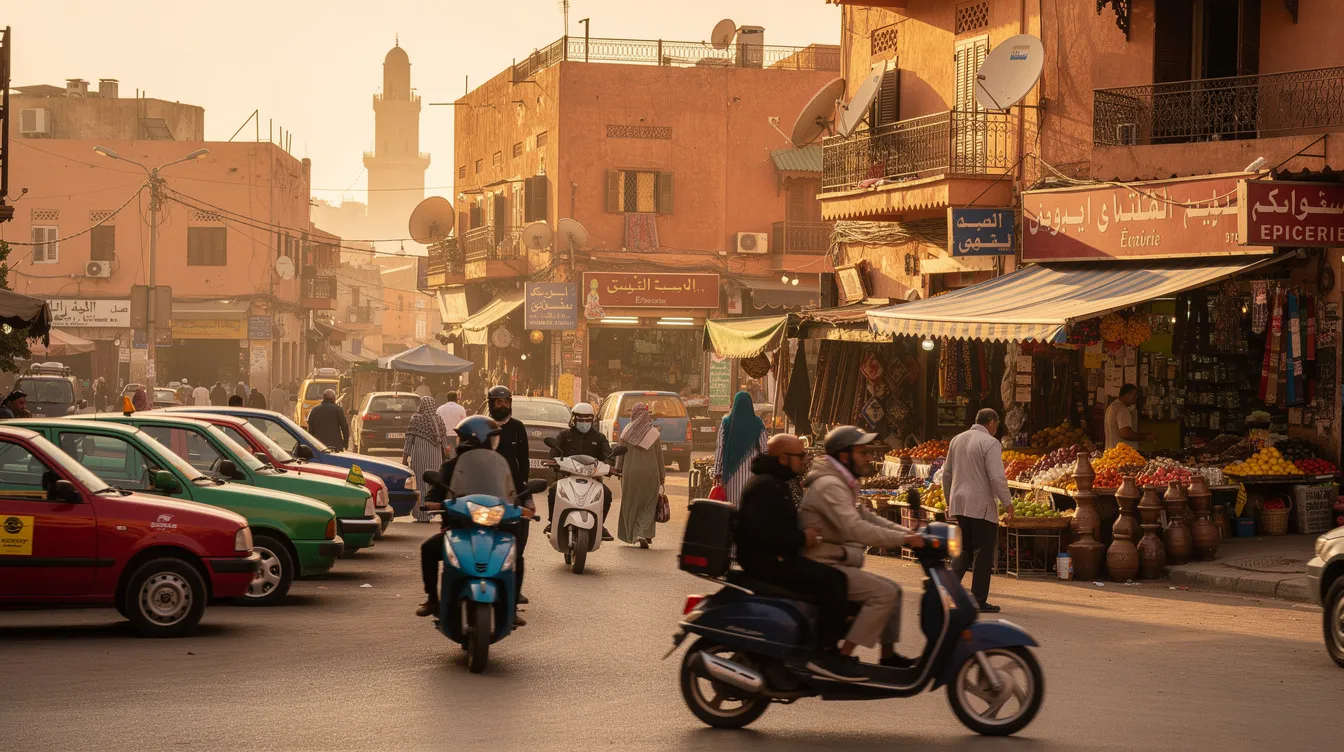
City driving: Driving in cities can be chaotic - expect mixed traffic including scooters weaving between lanes, pedestrians crossing without warning, and taxis stopping suddenly. Marrakech, Casablanca, and Tangier demand extra attention and patience.
-
Highways and main roads: Once outside urban areas, well-maintained highways connect major cities in Morocco, typically with a speed limit of 120 km/h. National roads are generally smooth and driving becomes more relaxed and scenic.
-
Rural roads: Rural roads in Morocco are generally good but may be narrower, with a speed limit of 80 km/h. Watch for slow moving vehicles, farm equipment, and animals.
-
Speed enforcement: Speed limits in Morocco are strictly enforced by fixed cameras and police using handheld radars. The speed limit in cities is 60 km/h. Don't assume you can push limits - fines are issued readily.
-
Police checkpoints are common on intercity routes. They are usually straightforward if your documents are in order and you've respected traffic rules.
-
It is advisable to avoid driving at night in rural areas due to poor lighting and animals on the road. Stick to daytime driving on unfamiliar routes, especially in mountains.
Key driving rules and what to watch out for
Driving rules in Morocco are similar to continental Europe, but observation and patience make the difference between a smooth trip and a stressful one.
-
Basics: Vehicles drive on the right-hand side of the road in Morocco. Overtaking is typically done on the left. Seat belts are mandatory for all passengers. Mobile phones may only be used hands-free. There is zero tolerance for drink-driving.
-
Speed cameras: Both fixed and mobile cameras are widespread. Fines for speeding start at around 300–700 MAD (roughly €28–65) and are sometimes payable on the spot.
-
Roundabouts: Moroccans often do not adhere to roundabout rules, so drivers must proceed with caution and never assume right of way.
-
Hazards: Watch for scooters, bicycles, donkey carts, and very slow moving vehicles - sometimes without lights, especially at night or in rural areas.
-
Pedestrians: Near markets, schools, and villages, people regularly step into the road. Zebra crossings may not be respected by local drivers or pedestrians.
-
Indicators: Not always used by local drivers. Anticipate sudden turns and lane changes, and leave safe following distances.
-
Toll roads: Motorways like Casablanca–Rabat–Tangier, Casablanca–Marrakech, and Rabat–Fes are faster and safer for long distances. Tolls are paid in cash or card at booths. These are the best option for covering ground between larger cities quickly.
Parking and fuel in Morocco
Parking and refuelling are straightforward once you understand common local practices.
-
Street parking: Most cities have paid roadside spaces managed by attendants in yellow or blue vests who collect a small fee - typically 5–20 MAD depending on duration and location. Parking lots with official attendants are recommended for vehicle safety in Morocco.
-
Guarded lots: Near medinas, hotels, and malls you'll find secured parking. Use these overnight rather than leaving the car on the street, especially in Fes and Marrakech.
-
Valuables: Never leave anything visible in the rental car. Photograph where you parked near large medinas - they're easy to get disoriented around.
-
Fuel types: Diesel is labeled "Gasoil" and unleaded petrol is "Sans plomb" or "Essence" at petrol stations. Confirm your car's fuel type with staff at pickup and note it on your phone.
-
Gas stations are common along main roads and even along desert corridors like Erfoud–Merzouga. On remote mountain routes, refuel whenever you can - don't wait for the tank to drop below a quarter.
-
Most stations are full-service with attendants who pump fuel and clean your windshield. Tipping a few dirhams is appreciated but optional. You can usually pay by card at larger stations, but carry cash for smaller or rural ones.
How to use rentalme.ma step by step
Here's what a typical booking looks like on rentalme.ma, from search to pickup.
-
Step 1 - Search: Choose your pick up location (city or airport, e.g. Marrakech Menara), enter dates and times, and select return location (same or different city) on the homepage.
-
Step 2 - Compare: View a list of available cars with photos, total prices, included mileage (many show unlimited mileage), insurance level, and deposit amount clearly displayed.
-
Step 3 - Filter: Narrow results by car type (economy, SUV, large car, van), transmission, fuel policy, mileage allowance, deposit amount, and specific car rental companies if you have a preference.
-
Step 4 - Select: Click on a specific offer to read full terms - driver age requirements, insurance details, pickup instructions, cancellation policy. No surprises.
-
Step 5 - Book: Fill in driver details, add extras (child seat, GPS, additional driver), and choose payment method. You receive instant confirmation by email.
-
Step 6 - Pick up: Show your voucher and ID at the rental company office listed in your confirmation. Inspect the vehicle, sign the rental agreement, and you're on the road.
-
Key advantages: English interface throughout, clear conditions visible before payment, local customer support, and access to both well-known international brands and smaller Moroccan car hire specialists offering cheap car hire options.
Tips for finding the best car hire deals in Morocco
A quick checklist to keep rental costs down without sacrificing quality.
-
Book early: Especially for trips in July–August or during major holidays. Early booking consistently secures cheaper rates and more vehicle options on rentalme.ma.
-
Be flexible: Shifting pickup/return times by a few hours - or choosing a city center office instead of the airport - can meaningfully lower the price.
-
Go smaller: Mini and economy classes are significantly cheaper than SUVs or large cars. For budget conscious travelers, a compact car handles 90% of Moroccan roads perfectly.
-
Fuel policy: Choose full-to-full and check for unlimited mileage to avoid surprise charges after a long road trip.
-
Read reviews: Check ratings of each rental company on rentalme.ma. The cheapest option isn't always the best if the company has a pattern of hidden charges or poor vehicle condition.
-
Total cost matters: Compare base rate + insurance + extras + possible one-way fee. The daily headline price alone doesn't tell the whole story.
Popular road trips in Morocco with a rental car
A rental car opens up some of North Africa's most memorable driving routes. Here are the classics.
-
Marrakech to Essaouira (~180 km, about 3 hours): A perfect weekend escape. Surfing, fresh seafood, and a relaxed medina at the end. An economy car handles this coastal route easily. One of the best scenic routes in the country.
-
Marrakech to the Atlas Mountains: Day trips to Imlil, Ourika Valley, or Ouzoud Waterfalls. Roads are steep but paved - a compact car or intermediate sedan is sufficient if driven carefully.
-
Imperial Cities loop: Casablanca–Rabat–Fes–Meknes–Chefchaouen–Tangier over 7–10 days. Each city is a vibrant city with distinct character. A comfortable compact or large car is ideal for the luggage and distances involved.
-
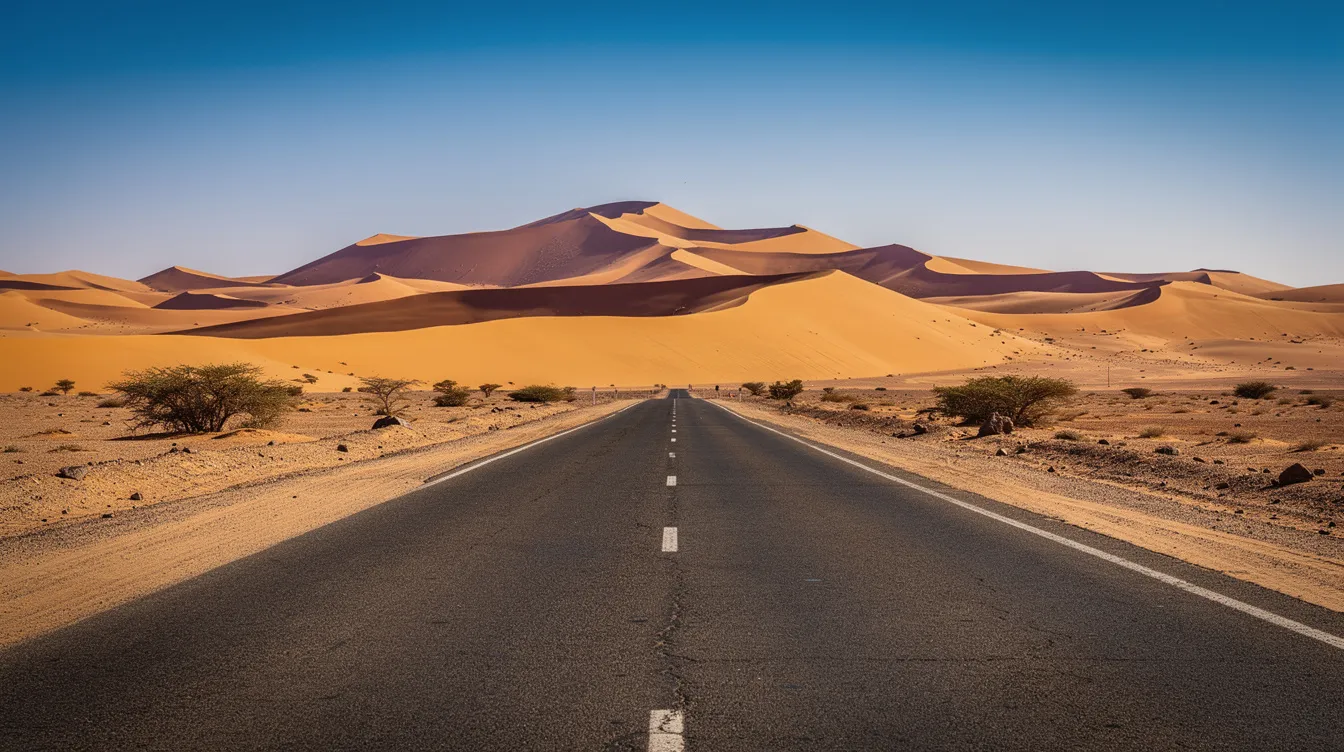
Sahara Desert route: Marrakech–Ait Ben Haddou–Ouarzazate–Dades or Todra Gorge–Merzouga. The main road is fully paved, so a standard car works. But if you plan to drive to desert camps off the main road, an SUV or 4x4 becomes necessary. Plan fuel stops carefully on this leg.
-
Atlantic coast cruise: Casablanca–El Jadida–Oualidia–Safi–Essaouira–Agadir. Beaches, oyster farms, and fishing villages along the Atlantic coast. Easy with any standard hire cars.
-
rentalme.ma supports one-way rentals that fit many of these itineraries - check availability with the specific rental company for your dates.
Practical checklist before you drive off
A careful pickup process saves you headaches - and money - at return. This applies whether you're collecting a perfect car or a well-used economy hatchback.
-
Inspect the car body, wheels, windows, mirrors, and interior. Ensure all existing damage is marked on the rental form or documented in the company's app.
-
Take time-stamped photos and videos of all four sides, the roof, dashboard mileage reading, and fuel gauge level.
-
Check the spare wheel, jack, and warning triangle. Verify that all lights, indicators, and air conditioning work properly.
-
Confirm the fuel type (diesel or petrol) verbally with staff and note it on your phone. Misfuelling can void your insurance.
-
Verify key contract points before leaving the lot: mileage limits (or unlimited mileage), fuel policy, deposit amount held, and exactly what is covered by your insurance.
-
Inspect the rental car for damage before driving off - this single step prevents disputes later. If booking via rentalme.ma, the main terms are visible in advance, so pickup should focus on verifying vehicle condition against the contract.
Final thoughts: is Morocco renting a car right for you?
Renting a car in Morocco is highly recommended for travellers wanting flexibility, access to small towns, and the freedom to chase scenic drives at their own pace. The well maintained vehicles available through reputable agencies, combined with Morocco's surprisingly good road network, make self-driving more accessible than many first-time visitors expect.
-
If you're a cautious driver, start with a simple route like Marrakech to Essaouira before tackling mountain passes or long desert legs. Build confidence gradually.
-
Using rentalme.ma gives you access to a wide range of car rental services and companies at competitive prices, with transparent conditions and support in English - removing most of the guesswork from the process. Its strategic location focus on Morocco alone means deeper coverage than any global platform.
-
Ready to go? Outline your dates and route, head to rentalme.ma, compare offers across trusted agencies, and find the best-value rental in morocco for your trip.